
Discover everything you need to know about pearls - from their history and how they’re formed, to pearl types, grading, and care. At Girls Love Pearls in Brisbane, we believe education is key to choosing the perfect pearl jewellery piece.
The History of Pearls
Pearls are among the oldest known gemstones, treasured for thousands of years. Archaeological discoveries show pearls were used in early burial rituals, highlighting their long-standing cultural significance.
Historical records from ancient China dating back to 2000 BC reference pearls as valuable tribute gifts.
Modern pearl culturing began in the early 20th century, with Kokichi Mikimoto credited for successfully bringing the first round cultured pearls to the global market in 1913 - revolutionising the pearl industry.
What are pearls made of?
Pearls are organic gemstones composed of approximately 92% calcium carbonate, similar to chalk — but formed in a layered crystalline structure that gives them strength and lustre.
They belong to the organic gem family, alongside:
- Amber
- Coral
- Ivory
- Shell
Natural pearls are extremely rare and historically found in regions such as:
- The Persian Gulf
- The Gulf of Mannar (India & Sri Lanka)
- The North-West coast of Australia
How Cultured Pearls Are Formed
Cultured pearls are created through a precise and delicate farming process:
1. Oyster Farming:
Oysters are cultivated in protected coastal waters and suspended from rafts.
2. Seeding (Nucleation): A small bead (typically made from Mississippi River mussel shell) is inserted into the oyster along with mantle tissue.
3. Nacre Formation:
The oyster forms a sac around the bead and secretes layers of nacre, which build the pearl over time.
4. Growth & Care: Farmers regularly clean oysters to protect them from parasites and monitor growth, sometimes using X-ray technology.
5. Harvesting:
After 2–2.5 years, pearls are harvested. Healthy oysters may be reseeded to grow larger pearls.
6. Grading & Preparation: Pearls are cleaned, sorted, graded, and prepared for jewellery.
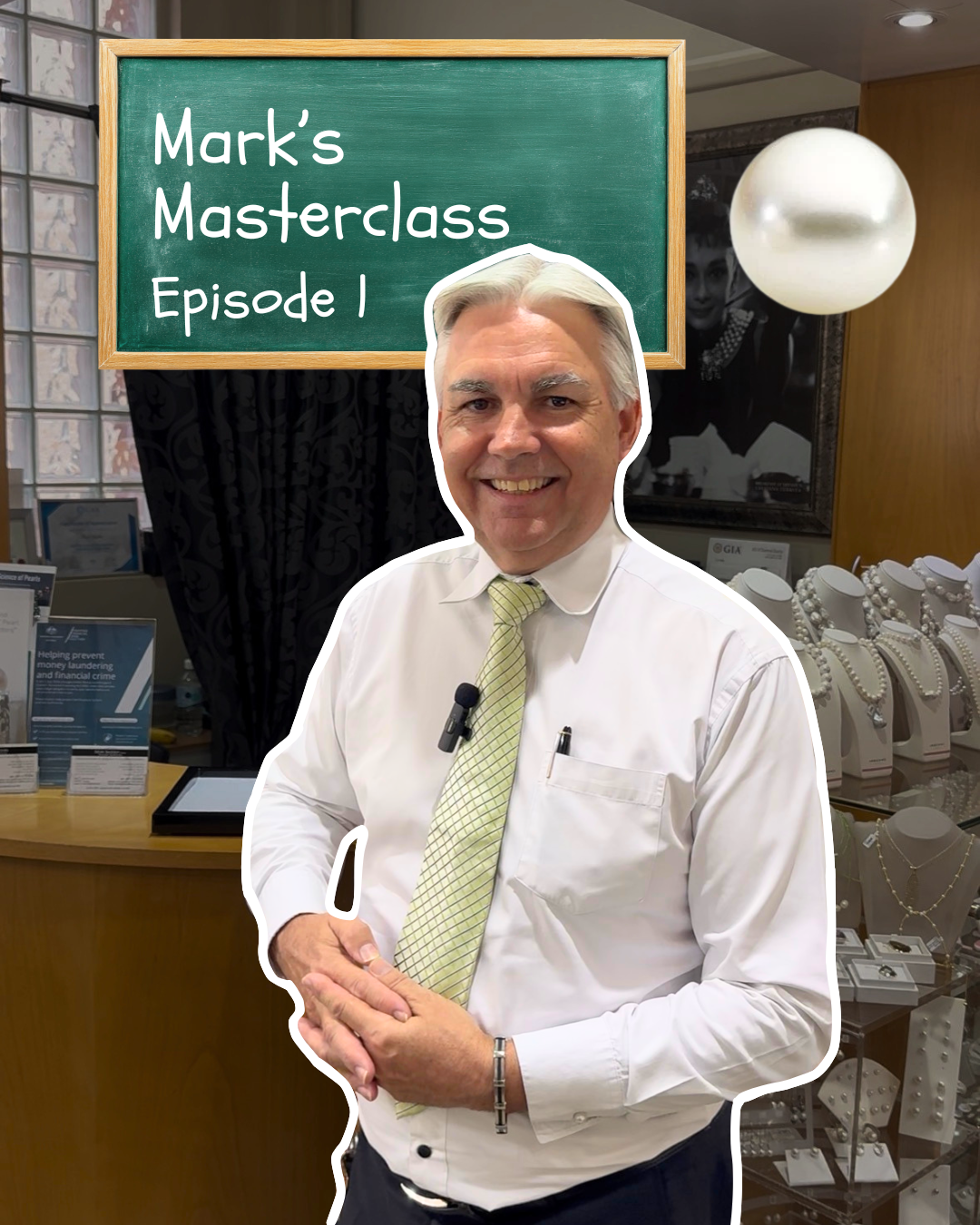
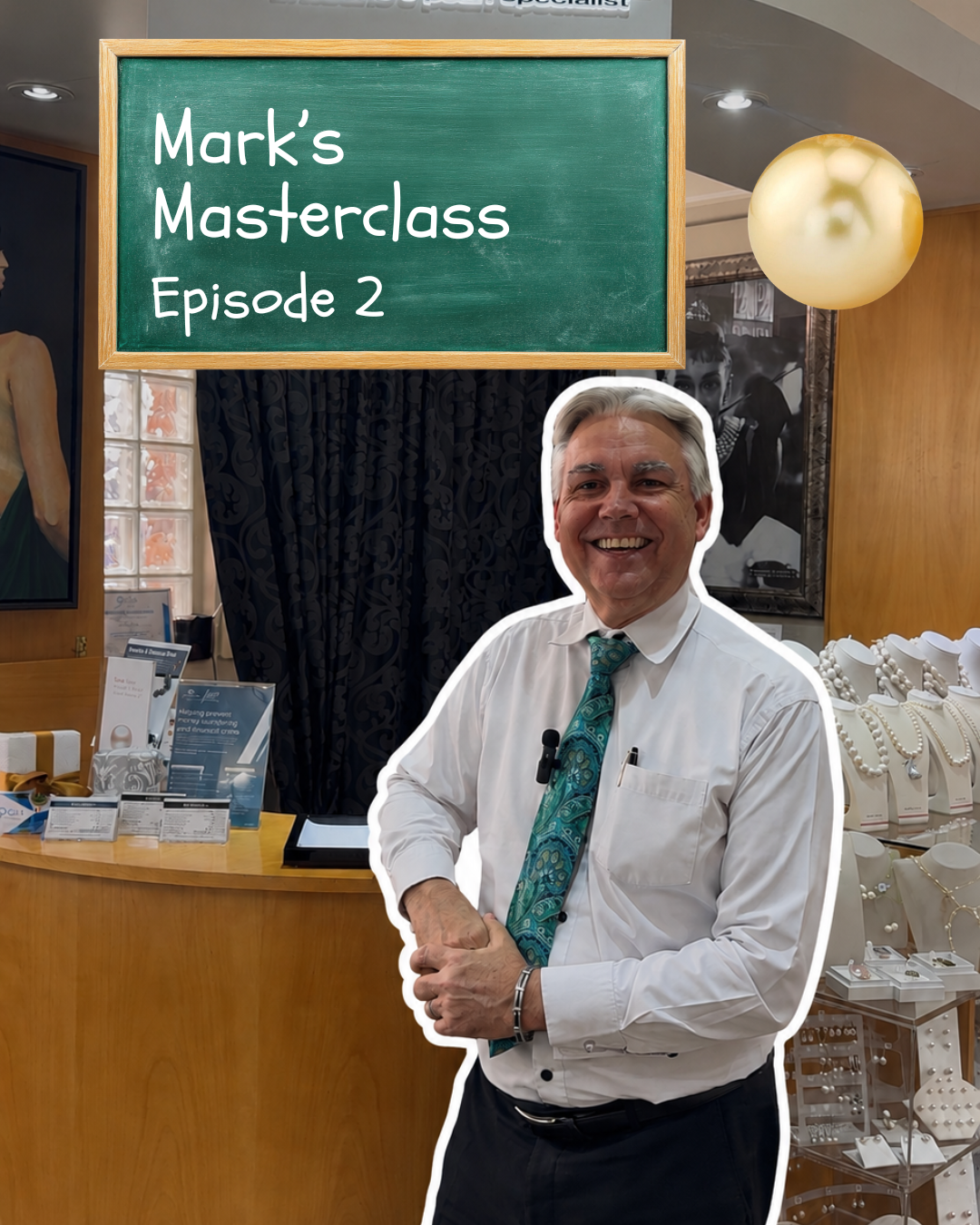
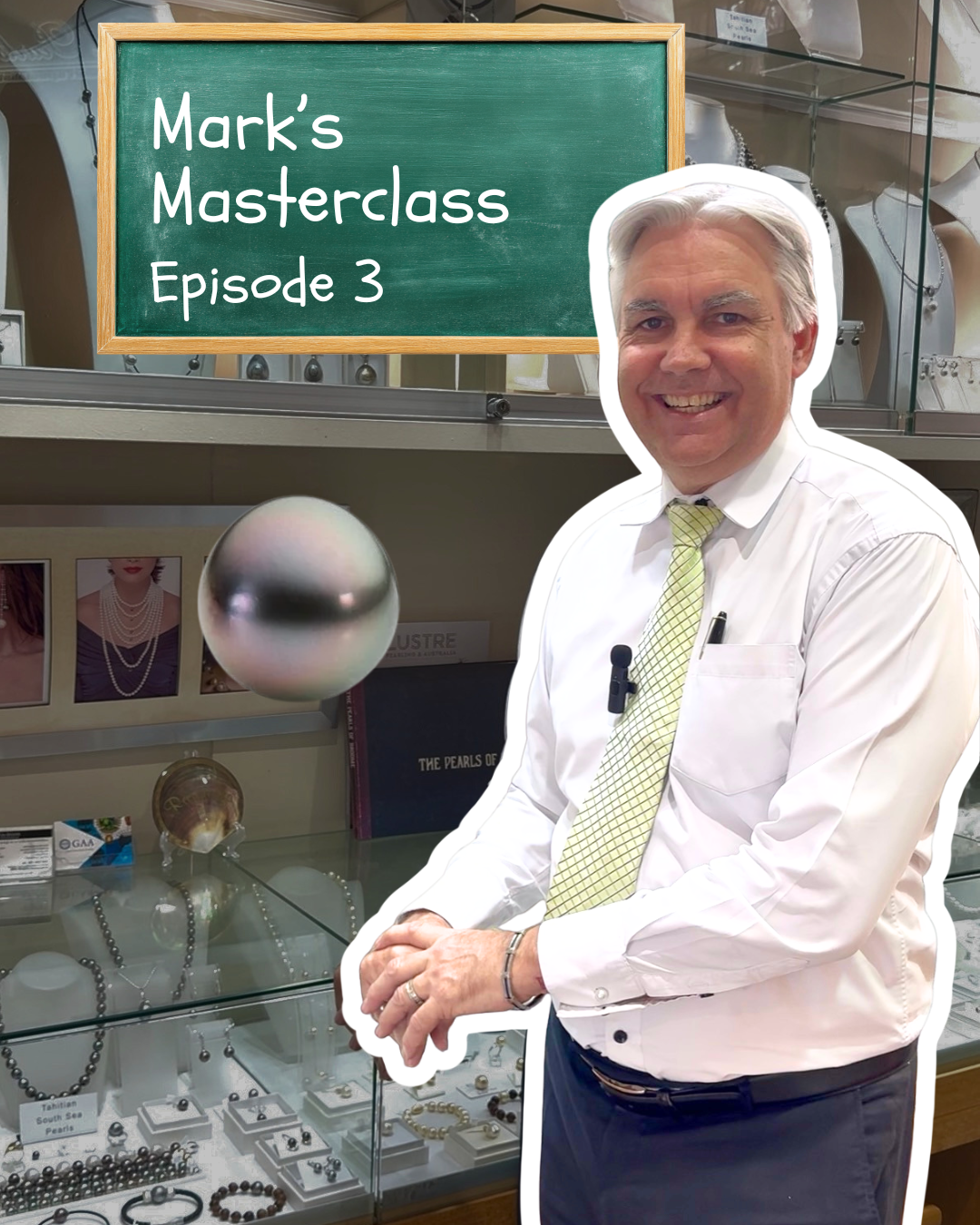
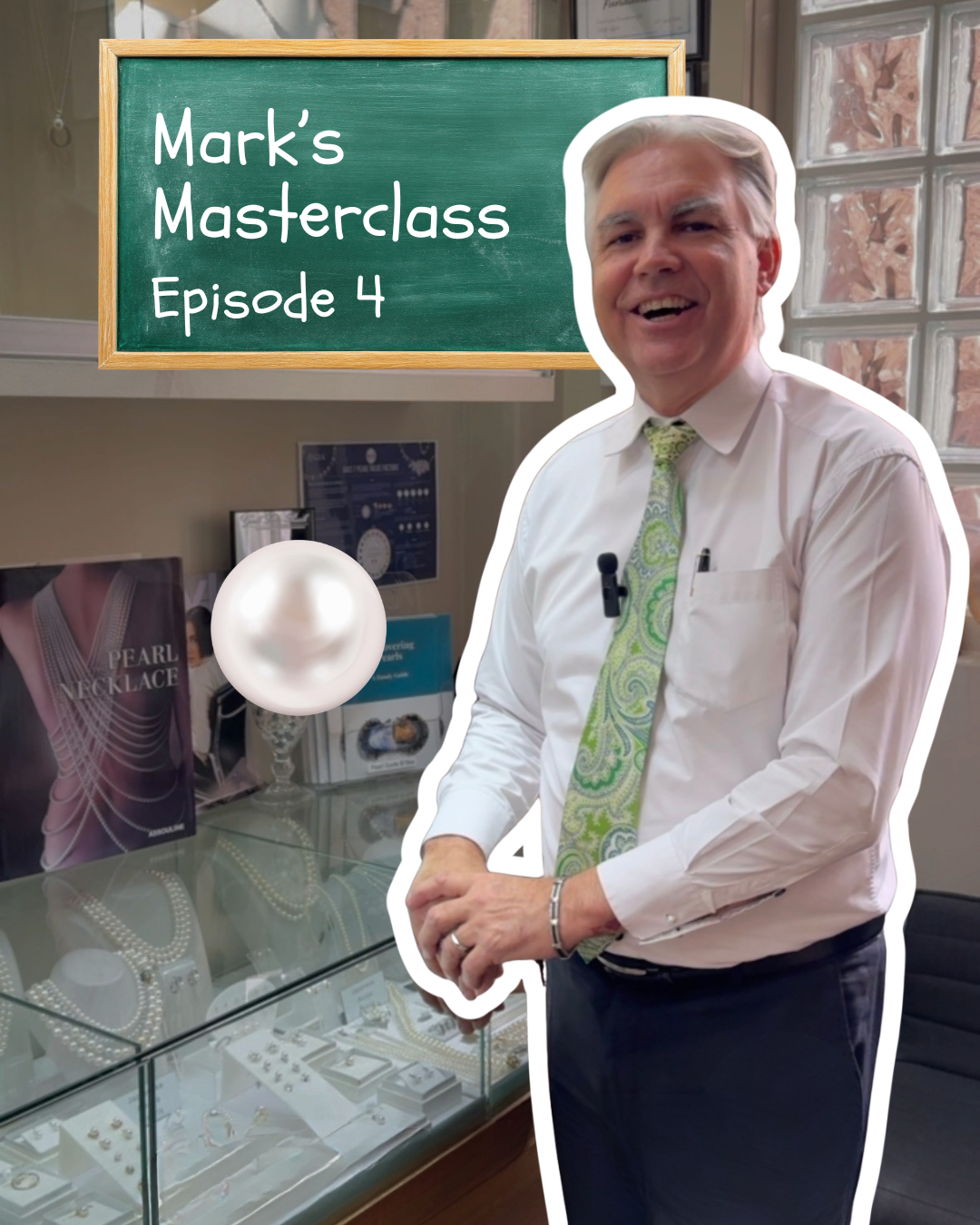
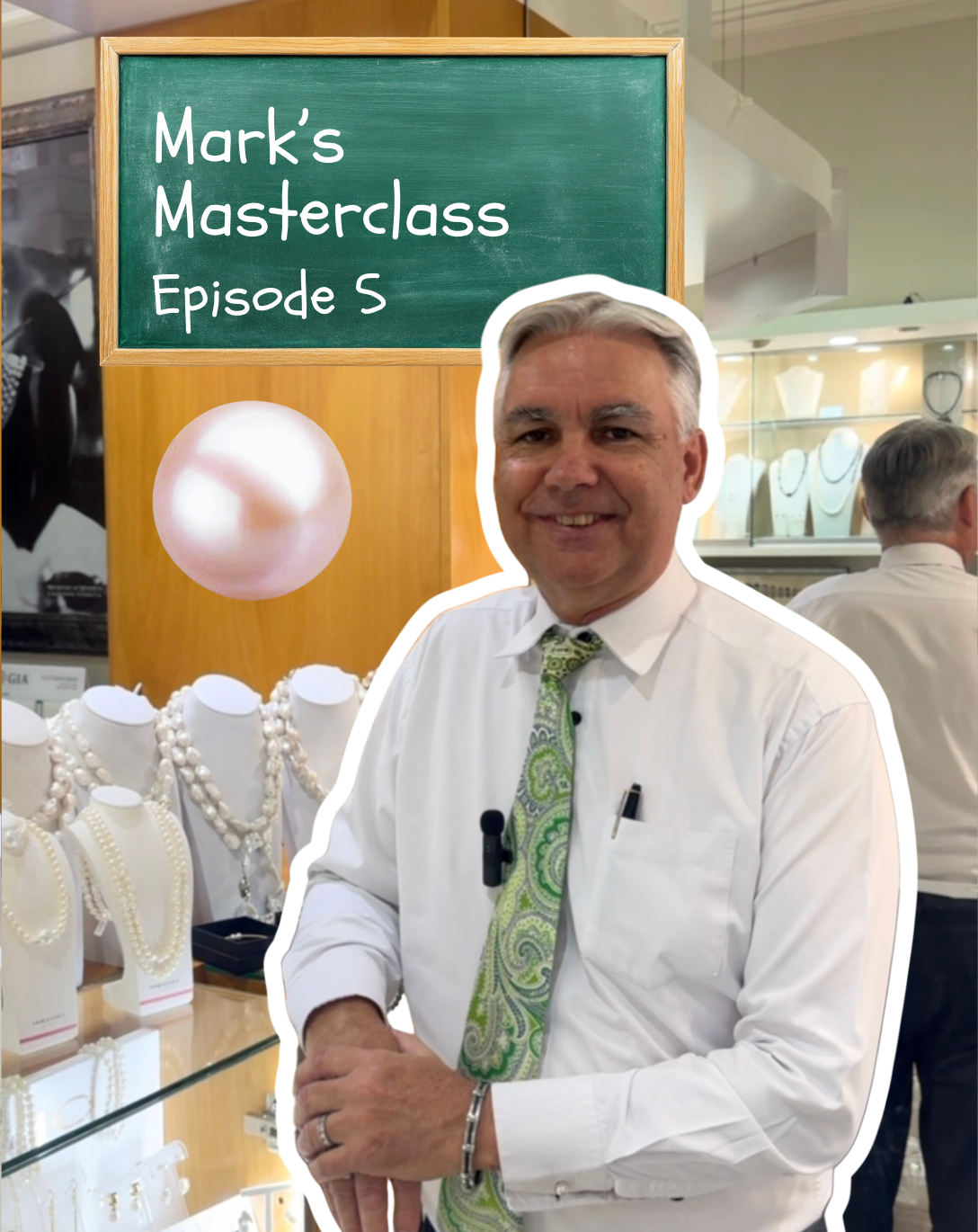
Mark's Masterclass
Explore our video series where we deep dive into all the different types of cultured pearls!

Pearl Types Explained
- Natural Pearls: Formed without human intervention
- Cultured Pearls:
Created with human assistance
- Cyst Pearls: Fully formed pearls grown inside the mollusc
- Mabe (Blister) Pearls: Half pearls formed on the shell interior
- Keshi Pearls:
Small, irregular pearls formed accidentally
- Imitation Pearls: Man-made beads designed to mimic real pearls
How Pearls Are Graded
Understanding pearl grading helps you choose quality jewellery:
1. Size: Akoya: 2–10mm; South Sea: 7–20mm+; Freshwater: 3–16mm+
2. Lustre: The most important value factor. High-quality pearls reflect light with a sharp, mirror-like glow and display subtle rainbow tones known as orient.
3. Surface Quality: Ranges from clean and smooth to visibly blemished with pits or marks.
4. Shape: Only ~5% of pearls are perfectly round. Other shapes include: Semi-round; Baroque; Drop; Circled
5. Colour: Body colour (white, cream, pink, gold) and Overtone (green, silver, rose, etc.)
6. Matching (for strands): Pearls in a strand should be consistent in: size, colour, lustre and shape
Additional Factor:
Nacre Thickness. Thicker nacre ensures durability and long-term wear.
How to Tell Real Pearls from Imitation
- Texture test:
Real pearls feel slightly gritty; imitation pearls feel smooth or plastic-like
- Drill hole check: Fake pearls often show peeling or rough edges
- Professional verification: X-ray analysis is the only definitive method to distinguish natural vs cultured pearls
How to Care for Pearl Jewellery
Storage Tips
- Store pearls in soft cloth or breathable materials
- Avoid airtight plastic containers
- Keep separate from harder gemstones
- Avoid overly dry environments (like bank vaults)
Cleaning Pearls
- Use lukewarm water with mild detergent
- Gently clean with a soft brush
- Rinse, pat dry, and air dry overnight
Maintenance
- Restring pearl strands every 3–4 years
- Check clasps and settings regularly
- Ensure pearl studs remain securely bonded
Avoid wearing pearls when swimming, exercising, sleeping and/or in steamy bathrooms.
Perfume, cosmetics, and sweat can damage the nacre over time.